

Paradigm Knowledge Center
RELIABILITY. SIMPLFIED.
Whether you're selecting a mechanical seal, troubleshooting a recurring failure, or looking to improve equipment reliability, the Paradigm Knowledge Center provides practical engineering guidance based on more than 100 years of combined sealing experience. Explore technical articles, installation guides, application resources, and proven best practices to help reduce downtime and make confident maintenance decisions.
Browse by Topic:
Published in PUMPS&SYSTEMS Magazine
Explore engineering articles published in one of the industry's leading technical publications.
Resources to Keep Your Pumps Running Smoothly
New to Paradigm Seals™?
At Paradigm Seals™, we’re committed to making mechanical seals simple to select, install, and maintain. Use the resources below to find the right seal, access technical specs, and keep your pumps running reliably.
Start with this short introduction.
The Complete Guide to Cartridge Mechanical Seals
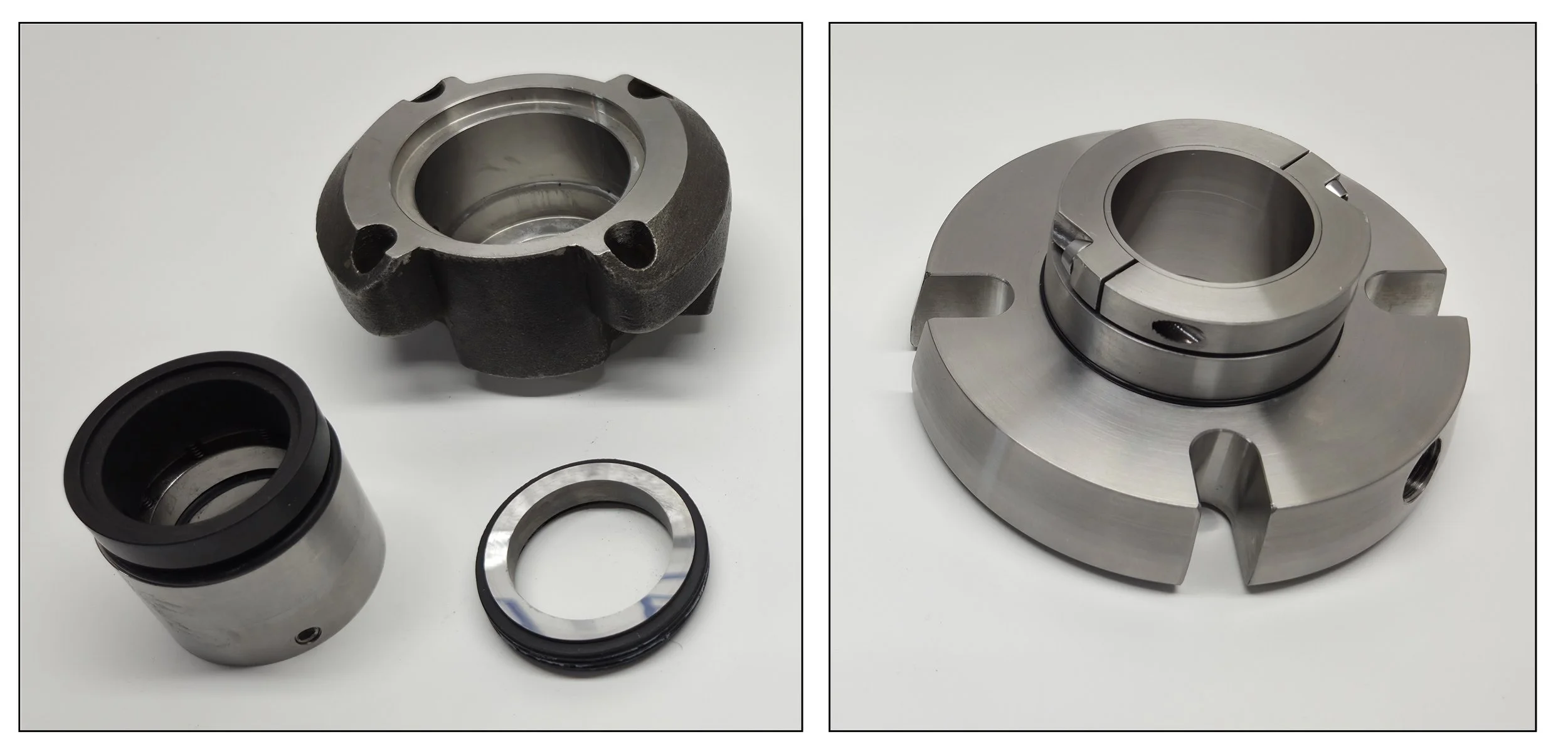
Learn how cartridge mechanical seals work, how to select the right seal, avoid common failures, improve reliability, and reduce maintenance costs with this comprehensive engineering guide.
The Paradigm i-Seal™ Story: Redefining Mechanical Seal Innovation
The mechanical seal industry has long relied on legacy designs with incremental improvements. Paradigm Seals® took a different approach — one that prioritizes simplicity, reliability, and long-term value for operators. The result is the i-Seal® family of cartridge seals, engineered to eliminate common sealing frustrations while delivering consistent performance across industries.
installation & Maintenance
Learn how cartridge mechanical seals work, how to select the right seal, avoid common failures, improve reliability, and reduce maintenance costs with this comprehensive engineering guide.
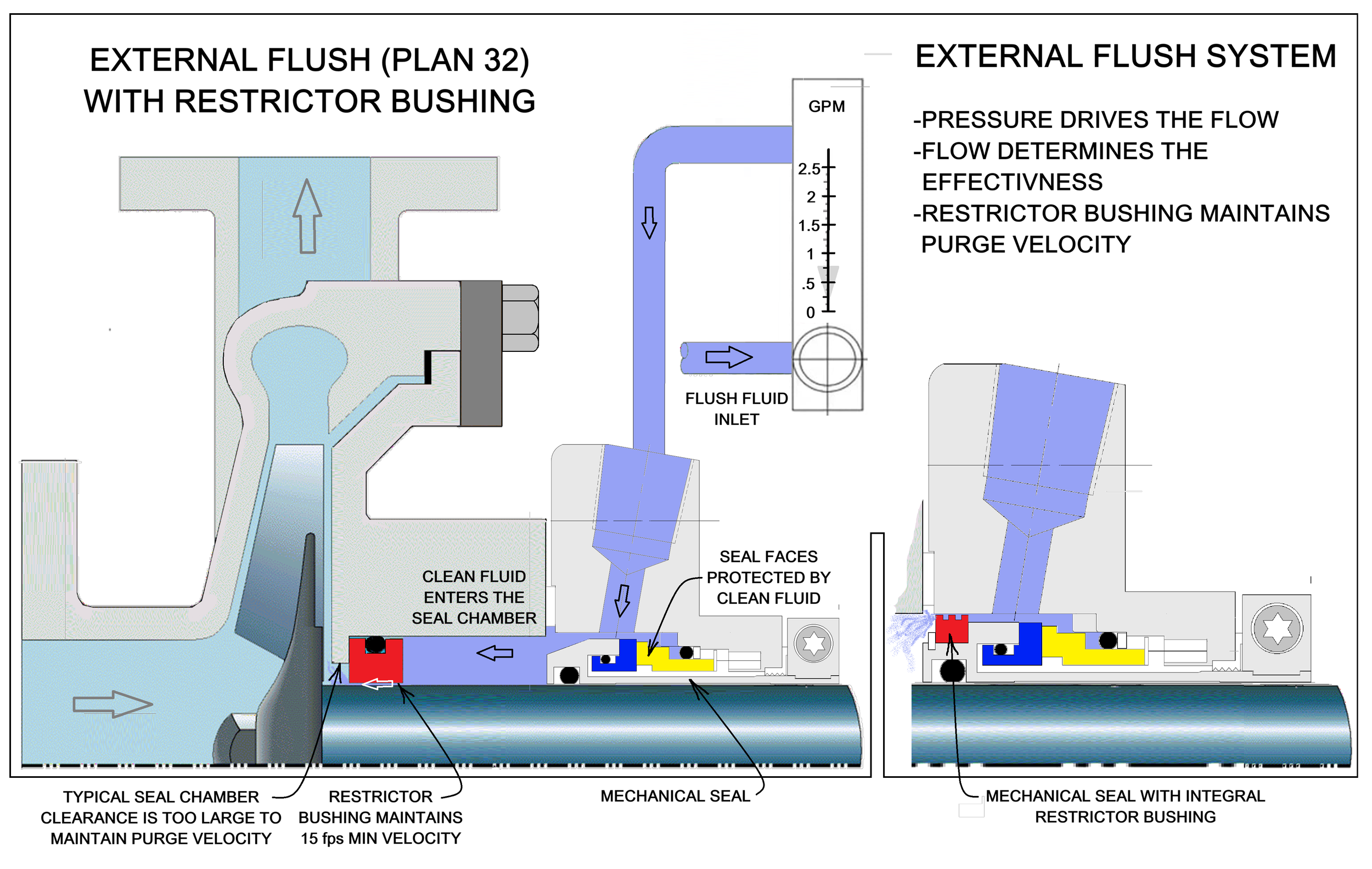
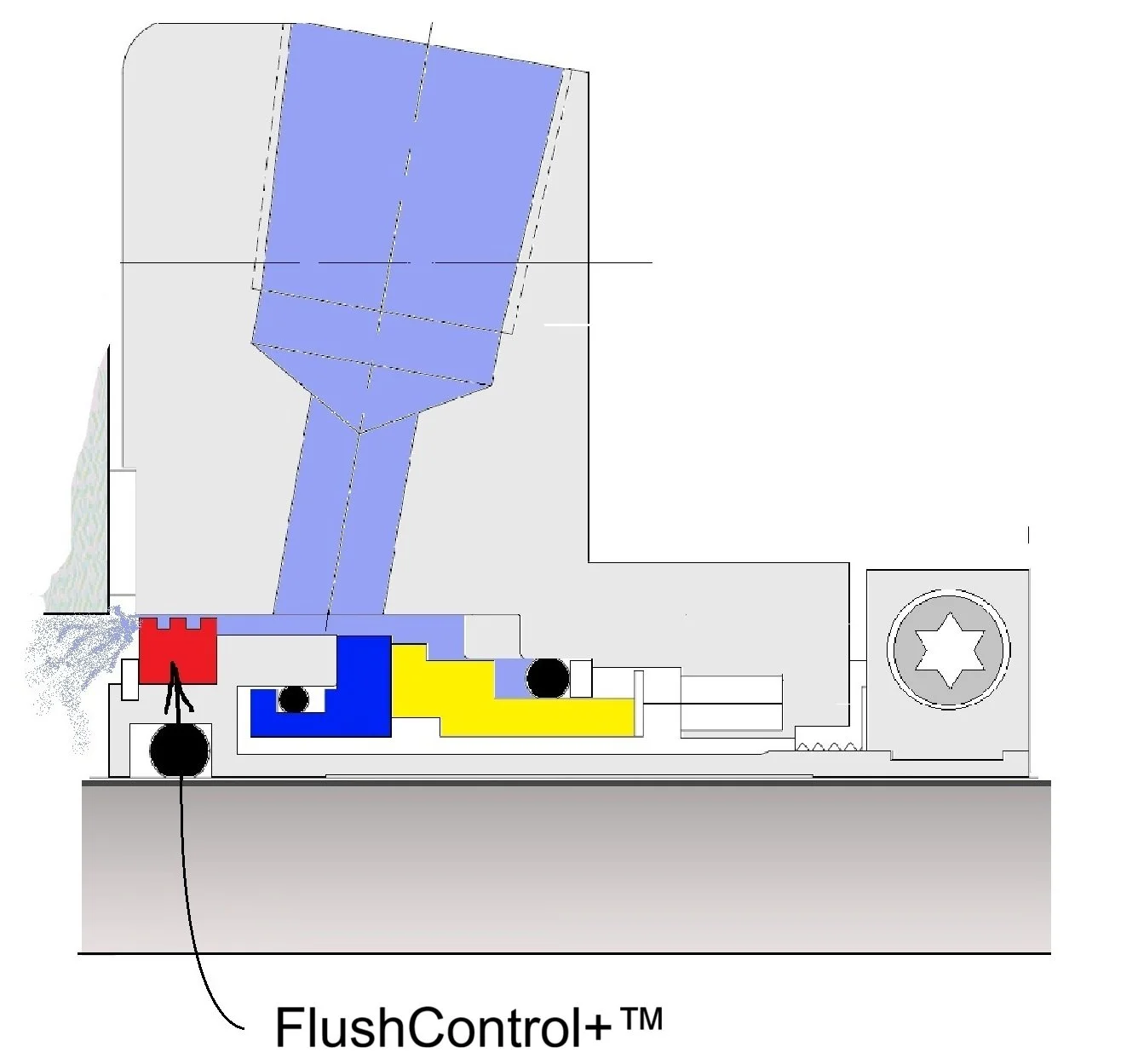
External flush systems are widely used to improve mechanical seal reliability, yet many are applied with little more than a water line and a pressure guideline. This article explains why proper engineering—not just Plan 32—is required to create an effective flush system. By focusing on flow, containment, and control, users can significantly reduce flush consumption while improving seal life and reliability.
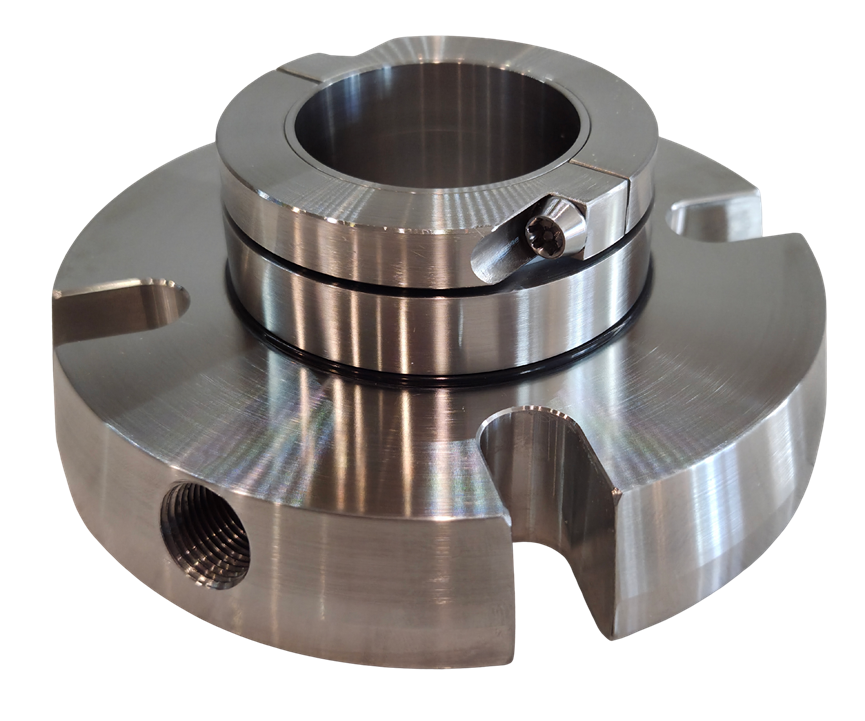
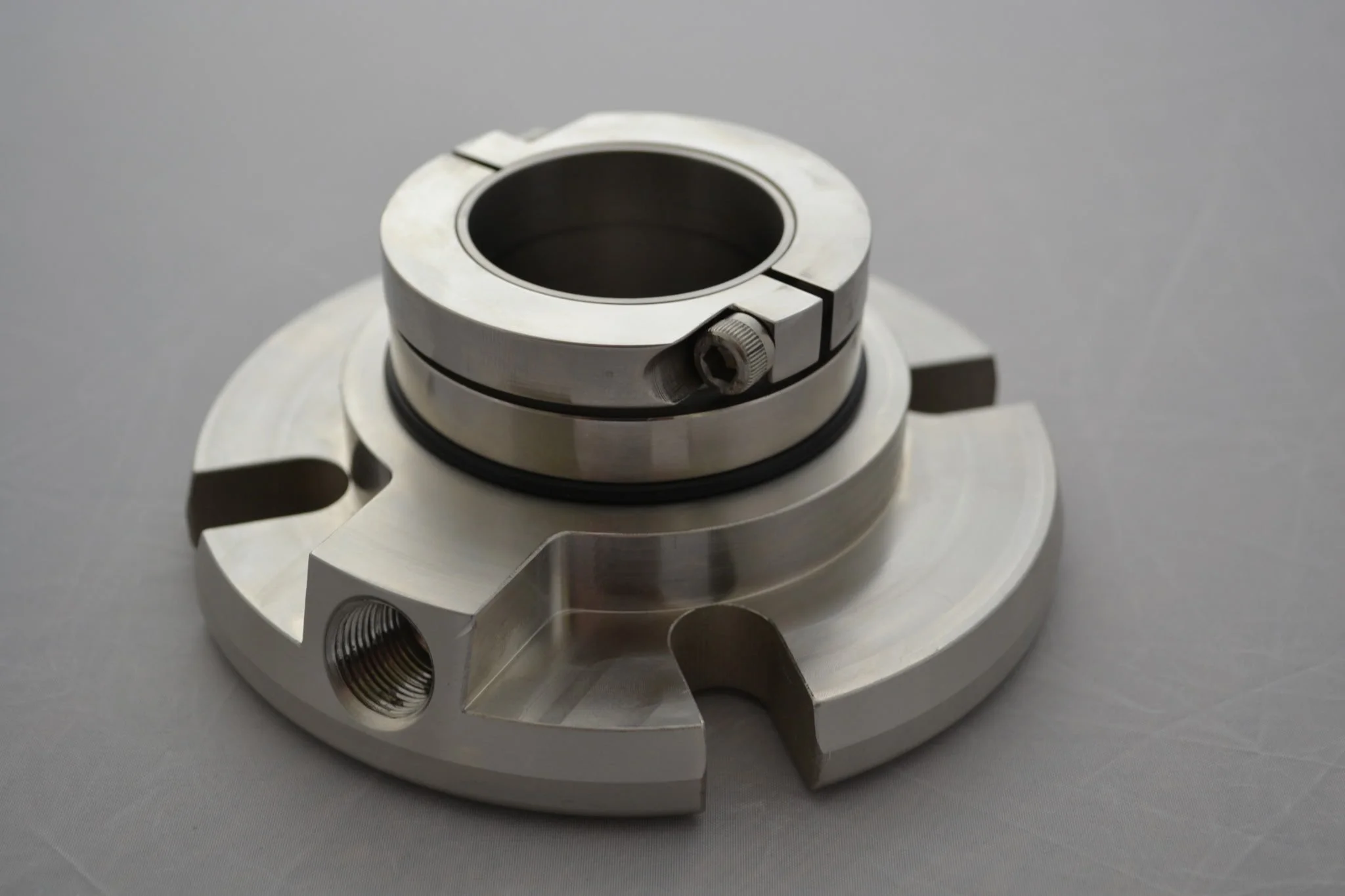
Installing a mechanical seal doesn’t need to be complicated. The Paradigm Seals™ A1 Single Cartridge Seal is designed for simplified installation, improved reliability, and reduced downtime. By following the proper steps, operators can ensure correct alignment, secure fit, and long-lasting performance.
To make installation easy, we’ve prepared this step-by-step video and guide.
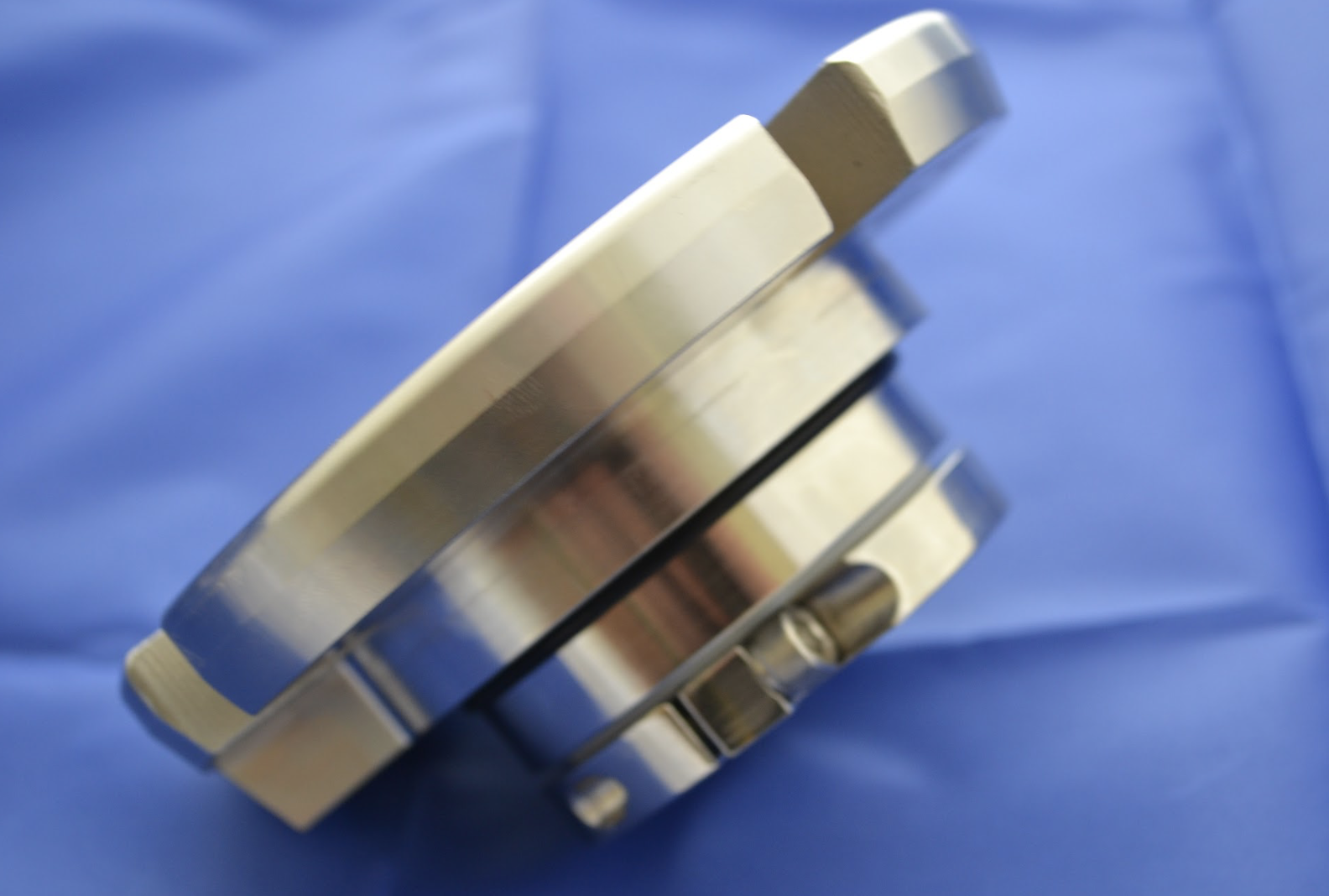
When a mechanical seal fails, maintenance teams often face a critical decision: repair the existing seal or replace it with a new one. Both options have advantages, and the right choice depends on the value of the seal, the criticality of the equipment, and the cost of downtime. This article provides a framework for making an informed decision.
Mechanical seal failures account for a significant percentage of pump downtime across industries. While seals are engineered for reliability, improper installation, inadequate operating conditions, or material incompatibility can shorten service life. Troubleshooting failures begins with understanding the most common causes and implementing corrective actions to prevent recurrence.
Mechanical seals are precision components — and even small mistakes during installation can lead to premature failure. Whether you’re installing a single cartridge seal or a dual cartridge seal, avoiding these common pitfalls will save time, money, and downtime.
Mechanical seals are the heart of pump reliability. But like any wear part, they don’t last forever. Waiting too long to replace a failing seal can lead to unexpected downtime, equipment damage, or costly leaks. In this article, we’ll cover the top signs it’s time to replace your mechanical seal and how to extend its lifespan.
the Paradigm story
Pump Compatibility & Applications
Learn how cartridge mechanical seals work, how to select the right seal, avoid common failures, improve reliability, and reduce maintenance costs with this comprehensive engineering guide.
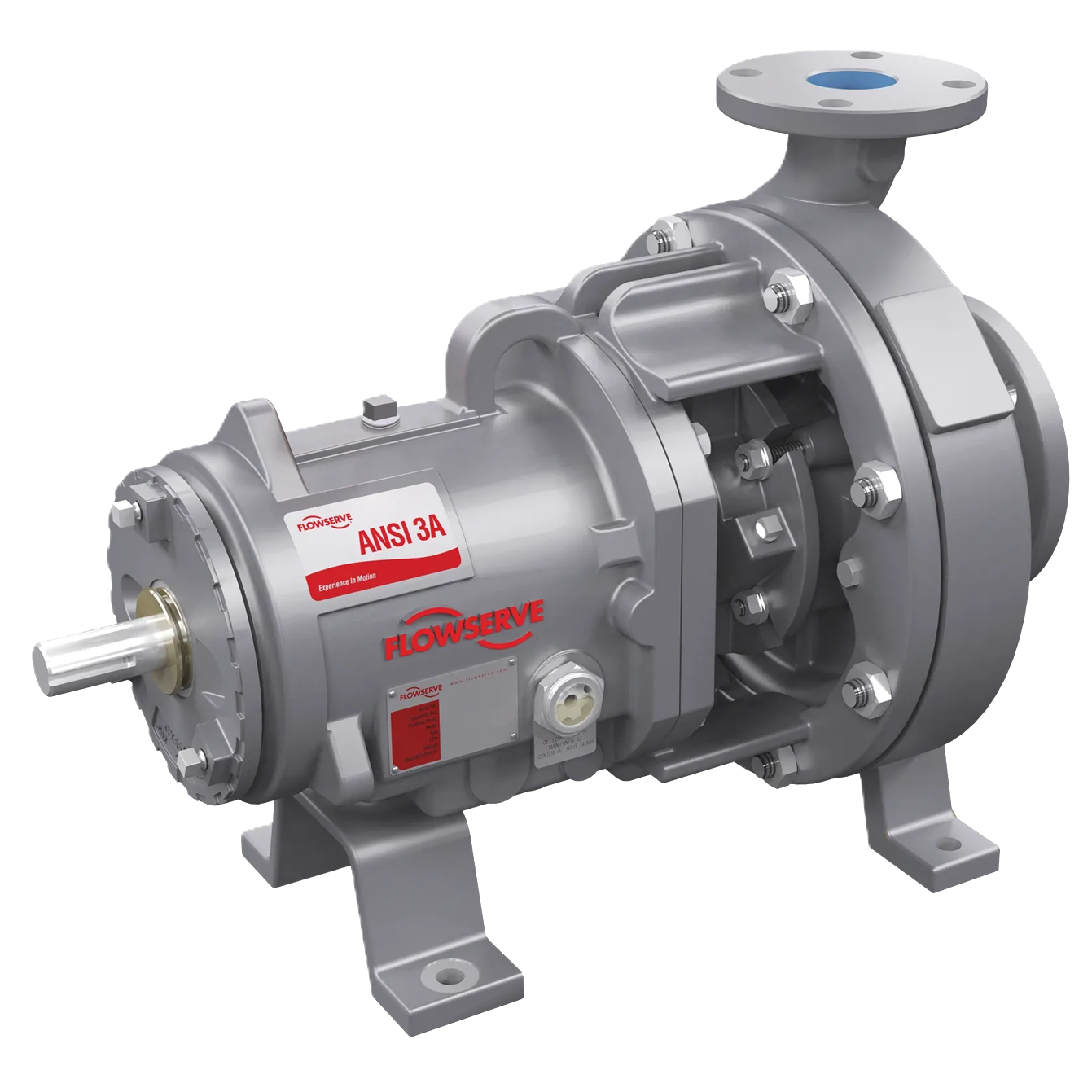
The Flowserve Durco Mark II and Mark III pump is one of the most widely used process pumps in the world, trusted across industries from chemical processing to water treatment. Selecting the correct mechanical seal is essential to ensure reliable operation, prevent leakage, and minimize downtime. Paradigm Seals® offers cartridge seals engineered specifically for compatibility with the Flowserve Durco Mark II and Mark III, simplifying installation and extending service life.
Mechanical seals must be matched not only to pump design but also to the application environment. Two of the most common — yet very different — applications are water treatment and chemical processing. Each presents unique challenges that affect seal selection, materials, and maintenance strategies. This article compares both environments and outlines best practices for choosing the correct Paradigm seal.
Aurora, Durco, and Worthington pumps are widely used across municipal, industrial, and process applications. From water distribution to chemical handling, these pumps demand seals that deliver consistent performance under varying conditions. Paradigm Seals® provides cartridge seal solutions engineered for compatibility with all three pump families, ensuring reliable operation and simplified maintenance.
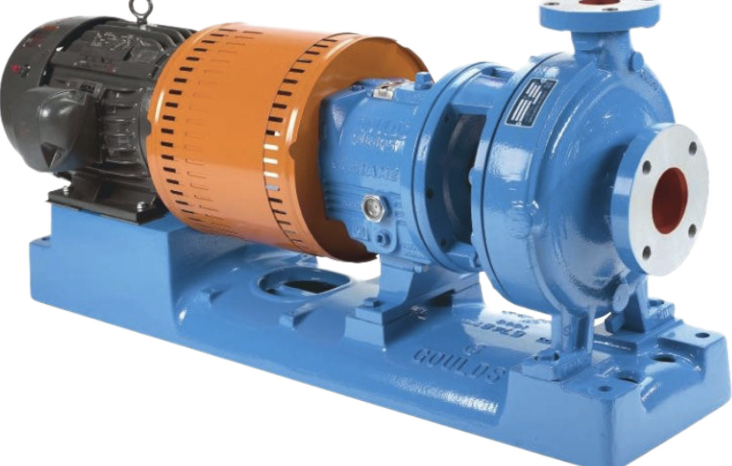
The Goulds 3196 is one of the most widely used process pumps in the world, trusted across industries from chemical processing to water treatment. Selecting the correct mechanical seal is essential to ensure reliable operation, prevent leakage, and minimize downtime. Paradigm Seals® offers cartridge seals engineered specifically for compatibility with the Goulds 3196, simplifying installation and extending service life.
Seal Sizing & Selection
Learn how cartridge mechanical seals work, how to select the right seal, avoid common failures, improve reliability, and reduce maintenance costs with this comprehensive engineering guide.
When it comes to mechanical seal performance, few decisions matter more than selecting the right seal face combination. The materials you choose directly affect seal reliability, pump uptime, and overall maintenance costs.
When selecting a mechanical seal, confirming the correct bore size is just as important as choosing the right seal type and face combination. For many pumps, a standard bore will suffice. However, certain pump models and applications require an oversized bore. Misidentifying this detail can lead to incorrect orders, failed installations, and costly downtime.
This article explains what an oversized bore is, when it’s required, and how Paradigm Seals™ makes the selection process simple.
One of the most common questions pump operators face is whether to install a single cartridge seal or upgrade to a dual cartridge seal. Both options are engineered for reliability, but each serves a different purpose depending on your operating conditions. This guide will help you decide which is right for your pump.
When it comes to replacing or upgrading a mechanical seal, understanding bore size is one of the most important steps in selecting the right product. At Paradigm Seals®, customers often ask: What’s the difference between a standard bore and an oversized bore seal? This guide breaks it down so you can confidently choose the correct option for your pump.
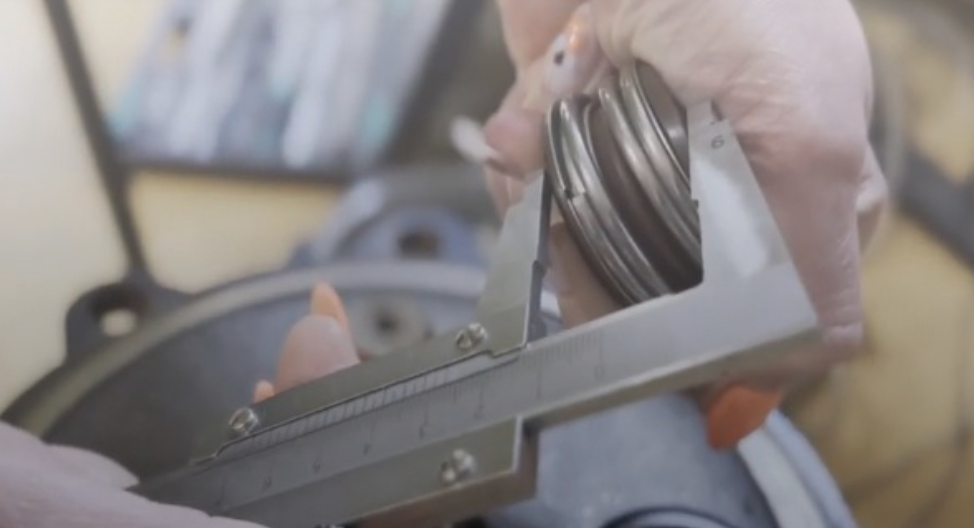
Selecting the right mechanical seal starts with accurate measurements. A mismatch—even by a fraction of an inch—can cause leaks, early failure, or costly downtime. This quick guide walks you through the three critical measurements: Outside Diameter (OD), Inside Diameter (ID), and Width.


Mechanical seals are critical components in pump systems, designed to prevent leakage, maintain pressure, and protect equipment. Their reliability directly affects production efficiency, operating costs, and plant safety. Proactive maintenance is the most effective way to extend seal life, reduce unplanned downtime, and ensure consistent performance. This checklist outlines best practices for routine inspections, scheduled maintenance, and long-term reliability.